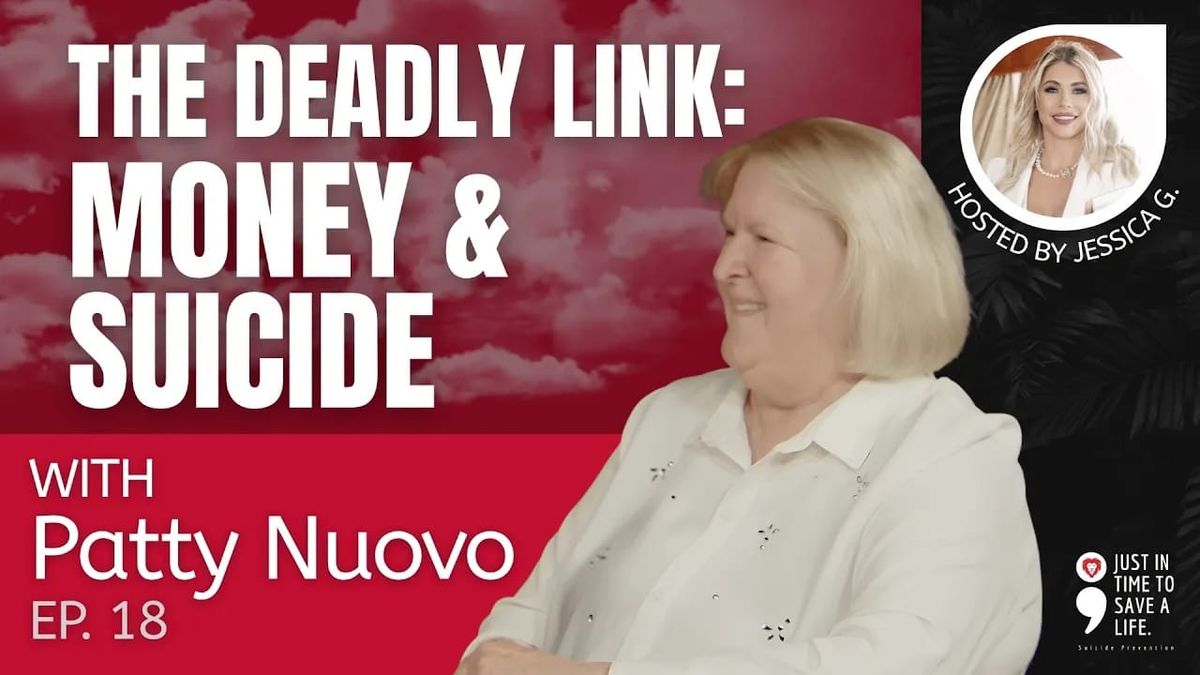
Financial stress is a silent killer, but it isn't usually a math problem—it’s a neurological trigger. Most people treat their bank accounts as a barometer for their self-worth, leading to a paralyzing cycle of avoidance, shame, and physical illness. If you've ever felt nauseous opening a bill or felt like a failure because of a number, you need to understand that your brain is simply running an old script. Financial expert and author Patty Nuovo joins the show to break down how we can stop outsourcing our sense of safety to our balance sheets.
We sit down to investigate the deep-seated emotional origins of our money habits, from childhood "sponging" to the provider trap that many men find themselves in. We get into the tactical side of neuroplasticity, discussing how to replace "I'm bad with money" with a growth-oriented narrative. Patty explains the "bag lady complex," the reality of financial trauma, and why high-pressure earners are often the most at risk for mental health crises. The secret sauce in this conversation is the shift from survival to abundance—learning to see money as a neutral tool rather than a moral judgment.
The unglamorous truth is that no amount of money will make you feel secure if your internal wiring is set to "survival mode." You cannot think your way out of a feeling; you have to address the emotional charge at the source. This episode provides a practical framework for looking at your accounts without the "boogeyman effect" and offers a roadmap for anyone drowning in debt or anxiety to finally give themselves the grace needed to move forward.
If you care about financial literacy, emotional intelligence, and breaking generational cycles of stress, you’ll get a lot from this. Please Subscribe and Share this episode with someone who needs to hear that their worth is not tied to their wealth.
If you are in a crisis or feel unsafe, call or text 988 or dial 911 for immediate support. There are people out there who will listen and can help.
Follow and stay connected:
Website: justintimepodcast.com
YouTube: youtube.com/@justintime.podcast
Instagram: @justintimetosavealife
Facebook: Just In Time To Save a Life
Never miss an update—follow, subscribe, and join the conversation!

Member discussion: